The Definitive Guide to Bioactive Peptides for Cellular Repair and Anti-Aging
Peptides are short chains of amino acids that act as the body’s natural signaling molecules, triggering specific cellular responses. Unlike complete proteins, their smaller size allows them to be absorbed more easily and target precise functions like collagen production or muscle repair. This targeted action makes them a powerful tool for supporting skin elasticity and recovery from exercise. To use peptides, you can apply them topically in serums or consume them through hydrolyzed collagen supplements.

What Exactly Are These Short-Chain Amino Acid Compounds?
Short-chain amino acid compounds are simply peptides composed of between two and roughly ten amino acids linked by peptide bonds. They differ from full proteins because their minimal chain length allows them to bypass extensive digestion, entering the bloodstream intact to trigger specific cellular signals or deliver amino acids directly to tissues.
This rapid bioactivity is what makes them potent tools for targeted recovery, repair, and functional support in topical applications and oral supplements.
A dipeptide like carnosine, for example, targets muscle pH buffering, while a tripeptide such as GHK-Cu stimulates collagen synthesis. The exact sequence defines the compound’s function, turning a short amino acid chain into a precise biological command rather than a general nutrient.
Defining the Building Blocks That Signal Your Cells
Defining the building blocks that signal your cells begins with understanding that peptides are short-chain amino acid compounds acting as ligands. Their sequence of 2–50 amino acids determines which receptor on a cell membrane they will bind to. This binding triggers a specific intracellular cascade. For signal peptides, the chain is structured in a precise order:
- An N-terminal signal sequence for recognition,
- A core bioactive region for receptor docking,
- A C-terminal tail for stability or enzymatic release.
Each block’s identity—hydrophobic, charged, or polar—dictates whether the signal initiates repair, hormone release, or immune response.
How Their Tiny Size Makes Them Fast-Acting Messengers
Think of peptides as tiny messengers because their short-chain structure lets them zip around your body instantly. Unlike bulky proteins, these small amino acid compounds slip through digestive barriers and cell membranes in minutes. This speed matters because:
- They don’t need extra processing—your body grabs them right away.
- Their small size lets them reach target cells fast, delivering signals like «repair now» or «boost collagen.»
- They’re quickly cleared too, so effects start rapidly but don’t linger.
This is why your skin serum might feel effective almost immediately—peptides act like sprint couriers, not hauling big cargo.
How Do These Molecular Fragments Actually Work in Your Body?
When you apply a peptide serum, these molecular fragments act like tiny messengers. They don’t penetrate your entire cell; instead, they dock onto specific receptors on the cell surface. This binding is like a key turning a lock, triggering internal signals that tell your fibroblast cells to ramp up collagen production or instruct melanocytes to slow pigment transfer. A short Q&A: How do these molecular fragments actually work in your body? They short-circuit your skin’s natural repair protocol, mimicking the broken collagen signals that normally appear after an injury, so your body begins rebuilding before any damage occurs. Without this decoy, your cells would remain in idle mode.
Binding to Receptors to Trigger Specific Biological Responses
Once in your bloodstream, peptides function as signaling molecules by binding to specific receptors on cell surfaces. Each peptide’s unique sequence dictates which receptor it locks onto, akin to a key fitting a precise lock. This binding triggers a conformational change in the receptor, initiating an intracellular signaling cascade that instructs the cell to perform a particular function—such as releasing a hormone, modulating inflammation, or repairing tissue. The response is highly localized and specific; a mismatch between peptide and receptor yields no biological effect. This lock-and-key mechanism ensures that only targeted cellular processes are activated, avoiding systemic disruption and enabling precise therapeutic outcomes.
Supporting Natural Repair Processes at a Cellular Level
Peptides act as direct messengers to your cells, actively orchestrating cellular repair by binding to specific receptors. This binding triggers a cascade of natural processes, accelerating recovery without introducing foreign substances. For example, copper peptides signal fibroblasts to ramp up collagen synthesis, while others guide damaged cells toward apoptosis, making way for healthy regeneration.
- Detection: Peptides identify sites of cellular stress or damage.
- Activation: They stimulate your cells’ own DNA to produce proteins needed for mending.
- Renewal: The process restores structural integrity, reinforcing tissues from the inside out.
What Practical Benefits Can You Expect from Using Them?

Using targeted peptides can significantly accelerate muscle repair post-exercise, reducing downtime between intense training sessions. You can expect enhanced joint health and reduced inflammation, allowing for more consistent physical activity. For skin, specific peptides directly stimulate collagen synthesis, diminishing fine lines and improving skin firmness rather than just hydrating the surface. Substantial improvements in recovery speed often become noticeable within the first four weeks of consistent use. Additionally, select peptides improve fat metabolism by promoting targeted lipolysis, helping you achieve a leaner body composition without drastic dietary changes. The practical outcome is a more resilient, better-performing physique with visible aesthetic enhancements.
Enhancing Skin Firmness and Reducing Fine Lines
Peptides directly target skin firmness by instructing fibroblasts to manufacture new collagen and elastin, reversing the slackening that deepens fine lines. For visible results, a consistent routine is essential:
- Apply a peptide serum to clean, damp skin to maximize penetration.
- Follow with a moisturizer to seal in actives.
- Use daily for at least 8–12 weeks, as collagen remodeling requires time.
This process plumps the dermis, smoothing nasolabial folds and crow’s feet. Expect a gradual tightening sensation and a visible reduction in wrinkle depth, transforming lax skin into a more sculpted, resilient foundation. Collagen-boosting peptides are your most direct tool for restoring structural integrity without invasive procedures.
Boosting Muscle Recovery and Lean Tissue Growth

Certain peptides directly accelerate muscle repair post-exercise by stimulating cellular signaling for protein synthesis. This reduces downtime between sessions and promotes the deposition of lean tissue growth, enabling you to build and maintain muscle more efficiently without excessive strain on joints. By enhancing growth hormone release and local blood flow, these compounds speed recovery from microtears, translating into faster strength gains and denser, higher-quality muscle over weeks of consistent use.
Peptides shorten recovery and fuel lean tissue growth, delivering tangible gains in strength and muscle density from improved protein synthesis.
Strengthening Your Immune System’s Daily Defenses

Peptides like thymosin alpha-1 work daily to help your immune system stay sharp, acting as a gentle signal to prime white blood cells for quicker responses. You might notice fewer minor bugs turning into full-blown colds. Daily immune resilience improves because these peptides support balanced activity—neither overreacting nor sluggish. This means your body can handle fluctuating stressors, from late nights to seasonal shifts, with less visible downtime.
How Should a Beginner Choose and Use These Compounds?
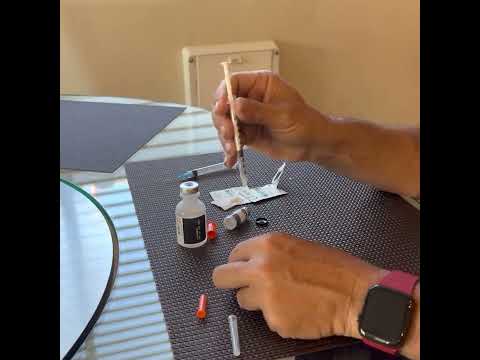
A beginner should start with single, well-studied peptides like BPC-157 or TB-500, not complex stacks. Choose reconstitution-grade bacteriostatic water and a low-gauge insulin syringe for accurate dosing. Always research the specific pH and storage requirements—most peptides need refrigeration after mixing. It’s better to begin with a low dose than to chase aggressive results. Clean the injection site with alcohol, and rotate spots (abdomen, thigh) to minimize irritation. Use a peptide calculator to verify your units; common errors come from misreading syringe markings. Never share vials or reuse needles.
Matching a Specific Amino Sequence to Your Goal

To match a specific amino sequence to your goal, identify the peptide’s target function first—such stratelabs as collagen synthesis or muscle recovery—then locate a sequence proven in research to stimulate that pathway. Each sequence’s chain order directly dictates receptor binding and biological effect, so a single residue change can shift outcomes entirely. Sequence-to-goal alignment requires cross-referencing peer-reviewed data on the exact peptide length and structure needed for your intended application. Novices should confirm that their chosen sequence corresponds precisely to the active fragment studied, not a modified derivative. Avoid assuming a general peptide class will perform; only the specific amino string delivers the result.
Understanding Dosing, Cycling, and Proper Administration
For a beginner, precise dose titration is critical, starting with the lowest effective amount to gauge tolerance before gradual increases. Cycling protocols dictate defined on-periods followed by equal off-periods to prevent receptor desensitization. Proper administration involves strict sterile technique, subcutaneous injection into alternating sites, and adherence to consistent timing. Reconstitution with bacteriostatic water must follow exact ratios, avoiding shaking. Never exceed recommended half-life intervals, as accumulation risks adverse effects. Always log doses and cycle durations to identify optimal response windows.
Storage Tips to Preserve Potency and Effectiveness
Proper storage is critical to preserve peptide potency and effectiveness. Most lyophilized powders must be kept in a cool, dark place, ideally refrigerated at 2–8°C, to prevent degradation from heat or light. Once reconstituted with bacteriostatic water, peptides should remain refrigerated and used within a strict 7–14 day window to avoid bacterial growth or hydrolysis. Even brief exposure to room temperature can accelerate breakdown, making careful handling as vital as the initial mixing. Always store vials upright and avoid shaking to prevent foaming, which can damage fragile peptide bonds.
What Common Questions Do New Users Usually Have?
New users most commonly ask about storage to ensure peptides remain stable, specifically whether refrigeration is mandatory. Many also inquire about dosage timing («Should I take it on an empty stomach or with food?»). Another frequent question is whether peptides require a prescription, since sourcing often blurs medical advice. Beginners also struggle with reconstitution—mixing bacteriostatic water with lyophilized powder—and how to measure doses using insulin syringes. A typical Q&A is: «Can I inject peptides into any muscle?» Answer: Use subcutaneous or intramuscular sites like the abdomen or thigh; rotate injection spots to prevent irritation. Finally, users want to know how quickly effects appear, clearly misunderstanding that results depend on the specific peptide and consistent use over weeks.
Are These Amino Chains Safe for Everyday Use?
New users often wonder about the safety of using peptide amino chains daily. The short answer is that it depends entirely on the specific peptide and your personal health context. Many common peptides are designed for short-term cycles rather than continuous everyday use, as the body can build a tolerance. For everyday use, you must focus on proper peptide cycling and dosage to avoid stressing your natural hormone or cellular recovery processes. Always cross-reference any daily protocol with reliable, peer-reviewed research on that exact chain. Even with mild compounds, taking a «break week» every month helps your system reset and prevents potential side effects from prolonged exposure.
How Long Before You Notice Visible Results?
Visible results from topical or systemic peptide use typically require consistent application over four to eight weeks, depending on the specific compound and your baseline condition. For skin-focused peptides, initial surface-level improvements like plumping may subtly appear within two to three weeks as collagen synthesis begins, but firmer texture and reduced fine lines usually demand a full two-month cycle. Injectable peptides for performance recovery might show functional changes in joint comfort or energy levels within three to four weeks, although visible muscle definition shifts often take longer due to cellular remodeling rates. Consistency in dosage and adherence to cycling protocols directly dictates when these tangible changes emerge. Rushing the timeline underestimates the biological cascade peptides initiate.
Can You Stack Different Varieties for Better Outcomes?
Stacking different peptide varieties can target complementary biological pathways for potentially amplified results, but it demands rigorous precision. Beginners often ask if combining a growth hormone secretagogue with a collagen synthesis peptide, for example, yields better tissue repair than either alone. Strategic peptide stacking requires staggered dosing schedules to avoid receptor desensitization and competition for absorption. Without understanding each peptide’s half-life and receptor affinity, stacking risks unpredictable interactions rather than synergistic benefits.
- Always verify that stacked peptides do not share the same receptor site, which could blunt overall efficacy.
- Cycle each peptide individually for at least 2-3 weeks before introducing a second compound to isolate effects.
- Start with the shortest-acting peptide in a stack to time subsequent doses for maximal overlap in peak activity.
- Use a separate syringe for each peptide to eliminate cross-contamination and incorrect dosage calculations.